The Hundred Elven Houses
| Languages: | Elven, Common |
| Biome: | Forests, plains, foothills of the mountain ranges. |
| Allied with... | None |
| In Conflict with... | Cindersend, the people of Nechon |
In Seldaesa's north lies the great gardens and plains of the Elves, home to the perfection of the Hundred Houses, known as the Harannossë, and their eternal wars of Spring and Autumn. The Elves of the Hundred Houses are xenophobic and isolationist due to their obsession with purity and perfection, with half-breeds and other races within the kingdom often subject to servitude, even if it they don’t consider it outright slavery. The landborn (or commonfolk) are subject to the whims of the nobility and the knight-warriors who wage their petty battles across the kingdoms. Even the nobility themselves are consigned to gilded cages, destined to wage war upon each other for the historical title of “High King” that remains ever elusive, even to the greatest of the High Houses.
The Hundred Houses are the noble Houses of the Elves, the first of which were established in the early days after the fall of the Deva Empire. Over time, the number of these Houses rose to a Hundred, and while the exact numbers have fluctuated over time, be it through division of a House into two due to strife, or the fall of a House into nothing more than memory, fate and chance would have it that the number always remained at near a hundred. And so the moniker "Hundred Houses", or Harannossë in Elvish, was born.
A cycle of Summer Wars, that has lasted for thousands of years, and that looks to continue for thousands more.
The wars that rage throughout the Harannossë govern the Hundred Houses in the summer. However, in the winter, the Harannossë gather for a different kind of battle – the politicking of the Council of Hundred. When the snows fall, and the warriors and nobility retreat behind their walls to prepare for the following War Season, each of the Hundred Houses sends an envoy to represent them on the Council in Telpelrion. It is here that the rules that govern the War Season are debated upon and updated with each coming year, that treaties are negotiated with other Empires and Kingdoms, that disputes that arise between the Houses that cannot be settled on the battlefield are mediated.
The High Houses
Over thousands of years, through strategic alliances, war, politicking or even just pure luck, different Houses often temporarily pull away from the rest in terms of wealth, military might, and political pull. The battles that are being waged across elven lands, and the politicking within the Council of Hundred, are in truth often simply proxies for the conflicts between these “High” Houses. Most of the Low Houses are sworn to one of the High Houses, those that are not, are often simply too geographically distant or otherwise insignificant enough to necessitate the attention of the High Houses.
The High Houses scheme against each other in an ever-shifting web of political, military and economic alliances and agreements, some of which have historically been broken before the ink is even dry. Such alliances are often tenuous because no High House will willingly allow any of their peers to attain even a sliver of an advantage against them.
The current High Houses are as follows:
Geographical Divisions
Over time, the High Houses have generally grown greedy, and over time they have consistently expanded the domains over which they preside. This has, in turned, forced out several Low Houses from the traditional boundaries of Elven territory that were established by Arevanion Arethlion, the first and only High King of the Elves, in all directions. The Harannossë can therefore be generally divided into several different geographical divisions. This may or may not play a significant role in the actual politics and battles that goes on within the Harannossë, but often Houses within the same geographical location share many similar traits.
This obsession with perfection bleeds over into all that the Harannossë is, from magic, to the art of warfare, to the simplest glassware, and even to the lowest farmer who uses math and geometric methods to grow his crops in a manner that is both economical and pleasing to the eye. Perfection demands that even the Landbond obtain a basic education, and this therefore provides a measure of mobility across classes, that even the lowest Landbonds could theoretically become the most renowned and glorious of warriors amongst the Hundred. However, in practice this is rare, just as it is rare that a Low House becomes High.
The Elves might be a people whose plans span centuries, but they are also a people of immediate action. What are the plans and the workings that come to fruition centuries in the future, but the results of the immediate actions of the now? A flaw that is discovered is to be corrected with the greatest urgency. A plan that is agreed upon must be executed with immediacy even if the plan itself spans centuries. For any progress to be made, for the perfection of the Elves to be achieved, the quest begins immediately and not a moment after.
Perfection also bleeds into the isolationism and xenophobia of the Hundred Houses. In the minds of the Harannossë, only Elves can achieve perfection, and thus they should only concern themselves with matters of Elvenkind, much to the relief of their neighbours and those who live across the ocean. It is generally agreed upon by foreign powers that the only thing preventing the Elves from conquering as much land as they do, is the fact that they cannot be bothered to turn their swords and their arrows against outsiders unless they are directly threatened. They have simply expanded their territory until they feel that it is “perfect” for them, that they can, as a people, have dominion over, without threat from outside influence.
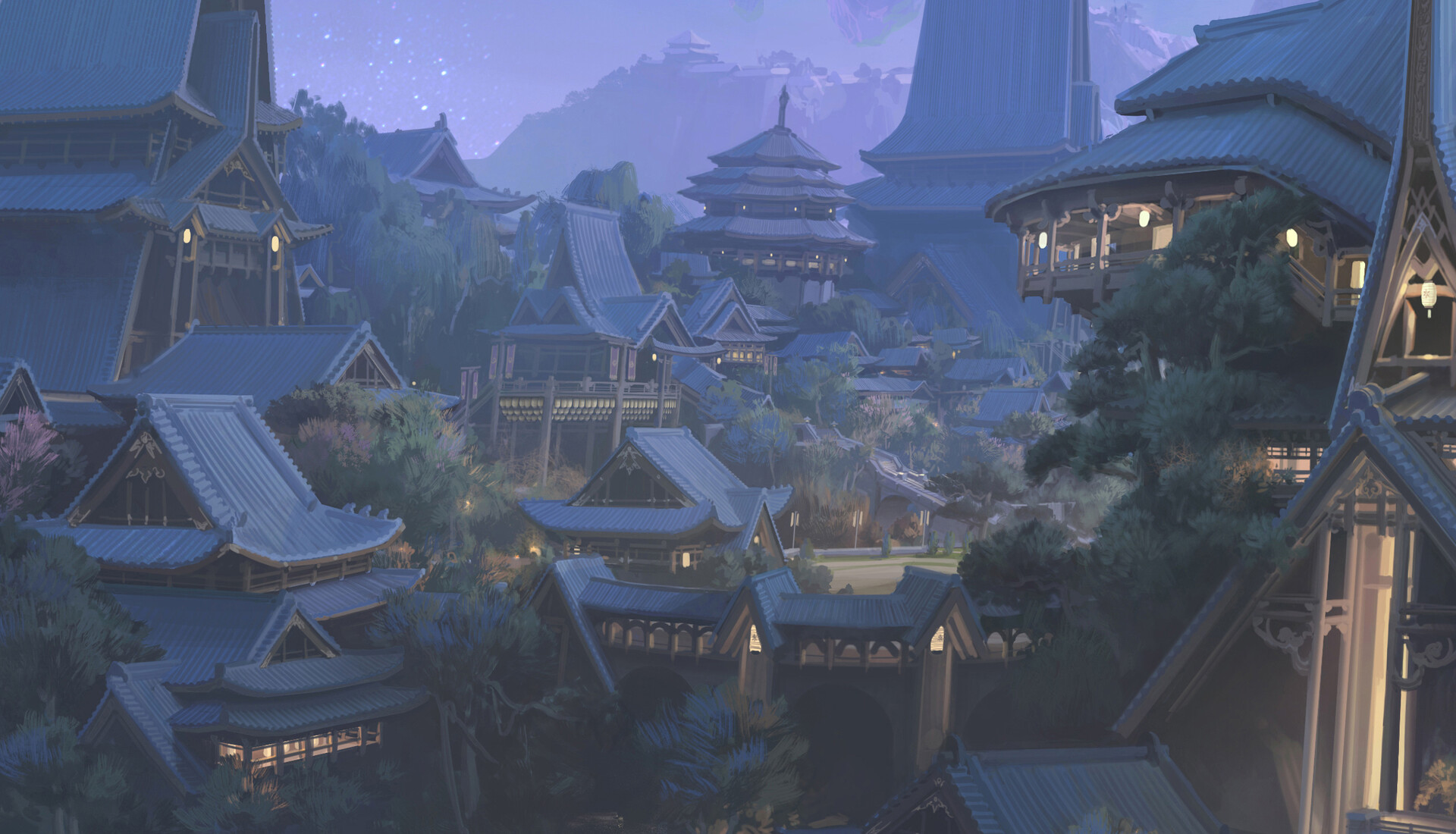
The Hundred Houses are the noble Houses of the Elves, the first of which were established in the early days after the fall of the Deva Empire. Over time, the number of these Houses rose to a Hundred, and while the exact numbers have fluctuated over time, be it through division of a House into two due to strife, or the fall of a House into nothing more than memory, fate and chance would have it that the number always remained at near a hundred. And so the moniker "Hundred Houses", or Harannossë in Elvish, was born.
A cycle of Summer Wars, that has lasted for thousands of years, and that looks to continue for thousands more.
Governance
The Warlords, or the Heads of the Hundred Houses, govern all. They are the ones who hold territory, the ones who sign treaties, the ones who command the troops, the ones who demand levies and tithes, and the ones who select their respective representatives on the Council of Hundred. There are, as is obvious, a Hundred of them, and within their own territories each of them technically reigns as the sole voice of judge, jury and executioner. Or they would, if they did not have to consider their political relationships with the other ninety-nine Elven Houses of the Harannossë.The wars that rage throughout the Harannossë govern the Hundred Houses in the summer. However, in the winter, the Harannossë gather for a different kind of battle – the politicking of the Council of Hundred. When the snows fall, and the warriors and nobility retreat behind their walls to prepare for the following War Season, each of the Hundred Houses sends an envoy to represent them on the Council in Telpelrion. It is here that the rules that govern the War Season are debated upon and updated with each coming year, that treaties are negotiated with other Empires and Kingdoms, that disputes that arise between the Houses that cannot be settled on the battlefield are mediated.
The High Houses
Over thousands of years, through strategic alliances, war, politicking or even just pure luck, different Houses often temporarily pull away from the rest in terms of wealth, military might, and political pull. The battles that are being waged across elven lands, and the politicking within the Council of Hundred, are in truth often simply proxies for the conflicts between these “High” Houses. Most of the Low Houses are sworn to one of the High Houses, those that are not, are often simply too geographically distant or otherwise insignificant enough to necessitate the attention of the High Houses.
The High Houses scheme against each other in an ever-shifting web of political, military and economic alliances and agreements, some of which have historically been broken before the ink is even dry. Such alliances are often tenuous because no High House will willingly allow any of their peers to attain even a sliver of an advantage against them.
The current High Houses are as follows:
- Nalthiön, the House of Order in Telpelrion. Most ancient of Elven Houses.
- Ielheä, the House of the Land in Mevenua. Most powerful of the High Houses.
- Falwing, the House of the Wilds in Zeraselda. Most beautiful of the High Houses.
- Elarmiel, the House of the Sea in Lorinan. Wealthiest of the High Houses.
- Thálion, the House of Sun and Moon in Alirycas. Smallest of the High Houses.
- Foringiel, the House of the Snows in Canarion. Newest of the High Houses.
- Saimoriel, the House of the Sands in Ramenthiali. A High House in decline.
Geographical Divisions
Over time, the High Houses have generally grown greedy, and over time they have consistently expanded the domains over which they preside. This has, in turned, forced out several Low Houses from the traditional boundaries of Elven territory that were established by Arevanion Arethlion, the first and only High King of the Elves, in all directions. The Harannossë can therefore be generally divided into several different geographical divisions. This may or may not play a significant role in the actual politics and battles that goes on within the Harannossë, but often Houses within the same geographical location share many similar traits.
- The Houses that remain in the Silmorael are generally termed the Houses of the Forest.
- The Houses that were pushed westwards into the western isles are generally termed the Houses of the Sea.
- The Houses that were pushed eastwards into and across the Dragon's Teeth are nicknamed the Houses of the Hills.
- The Houses that were pushed southwards are nicknamed the Houses of the Barrens.
- The Houses that were recently established on Nechon Isles are nicknamed the Houses of the Abandoned.
Culture
Like many other civilizations in this Chaotic Age, the Harannossë are a people geared towards war. But the Wars of Spring and Autumn are not the wars that wreaked havoc about the world over the past thousands of years. No, the Summer Wars of the Elves are couched in dozens of rules and hundreds of traditions, strictly enforced by the Council of Hundred. It is war “perfected”, a bloody game of politics and strategy that maintains the stranglehold of the High Houses over the Low, of the nobility and warriors over the commonfolk and landborn, and of the Elves over the other races within their borders.This obsession with perfection bleeds over into all that the Harannossë is, from magic, to the art of warfare, to the simplest glassware, and even to the lowest farmer who uses math and geometric methods to grow his crops in a manner that is both economical and pleasing to the eye. Perfection demands that even the Landbond obtain a basic education, and this therefore provides a measure of mobility across classes, that even the lowest Landbonds could theoretically become the most renowned and glorious of warriors amongst the Hundred. However, in practice this is rare, just as it is rare that a Low House becomes High.
The Elves might be a people whose plans span centuries, but they are also a people of immediate action. What are the plans and the workings that come to fruition centuries in the future, but the results of the immediate actions of the now? A flaw that is discovered is to be corrected with the greatest urgency. A plan that is agreed upon must be executed with immediacy even if the plan itself spans centuries. For any progress to be made, for the perfection of the Elves to be achieved, the quest begins immediately and not a moment after.
Perfection also bleeds into the isolationism and xenophobia of the Hundred Houses. In the minds of the Harannossë, only Elves can achieve perfection, and thus they should only concern themselves with matters of Elvenkind, much to the relief of their neighbours and those who live across the ocean. It is generally agreed upon by foreign powers that the only thing preventing the Elves from conquering as much land as they do, is the fact that they cannot be bothered to turn their swords and their arrows against outsiders unless they are directly threatened. They have simply expanded their territory until they feel that it is “perfect” for them, that they can, as a people, have dominion over, without threat from outside influence.
Major Cities/Landmarks
With the exception of Telpelrion, most cities of the Harannossë wax and wane in prestige with the influence of their Houses. Many cities, in fact, have been rebuilt several times over after falling into disrepair or otherwise damaged in the summer wars between the Hundred Houses.- Telpelrion: Considered by most to be the “capital city” of the Harannossë, the sanctuary of Telpelrion is considered to be neutral ground by the Hundred by tradition stronger than law. This is strictly enforced by High House Nalthiön, and those who break this peace are summarily executed, their names erased from history and their memory deliberately forgotten.
- Mevenua: Widely considered the most beautiful of all Elven cities at present, Mevenua is the Seat of Ielheä, most powerful of the High Houses. True to Ielheä's obsession with order and artistry, the city is artistically and geometrically sculpted to be pleasing to the eye, with perfectly tended gardens everywhere within the city nested between crystalline spires.
- Canarion: The city of Canarion is the newest of all the major cities of the Harannossë, settled on Nechon, the landmass just north of Seldaesa. The ambitious Lord Foringiel of Saimoriel led many of those dissatisfied with Saimoriel to sail north to Nechon, settling the city of Canarion and establishing High House Foringiel there, while simultaneously pushing out the native people already present.
- Zeraselda: Nested between the two great lakes of Silmorael, Zeraselda is the opposite of Mevenua, where beauty is oft of a raw and untamed kind of perfection. It is not to say that there is no order imposed upon the city, but where Mevenua's beauty is stark and remote, Zeraselda's beauty is quiet and subtle, and ultimately more friendly and welcoming.
- Ramenthiali: Once located at the center of Saimoriel's lands, now the city of Ramenthiali hovers at its border, plagued month after month by dust storms of increasing frequency as the Deadlands creep ever closer. Fertile fields and plains, now turning to sparse grassland and desert. The city is a shell of what it was, sustained only by the ever-higher levies that Saimoriel demands from its vassal Low Houses to the east.
- Lorinan: Built as a coastal port city, Lorinan is definitely the richest of the cities of the Harannossë, a city of opulence where perfection is measured in wealth and flamboyance. Perhaps it is this entitlement that brought about its current slow decay, once the source of its wealth slowed from a flood to a mere trickle. Nonetheless, a steady stream of ships still dock at the harbour day-after-day.
- Alirycas: The island of Alirycas sits across the Strait of Freedom, so named when now-High House Thálion, aided by High House Falwing, united the other Low Houses of the island to throw off the yoke of Elarmiel. Alirycas is known not only for its prime location as a trading hub between the Harannossë and the continent of Ilica, but also for its rare pearls that are sold as magical trinkets and aids.
History
TBDContributors: Arani
Last edited by a moderator: